Ontime and Stressfree Development withMoney Back Guarantee...
Ontime and Stressfree Development withMoney Back Guarantee...
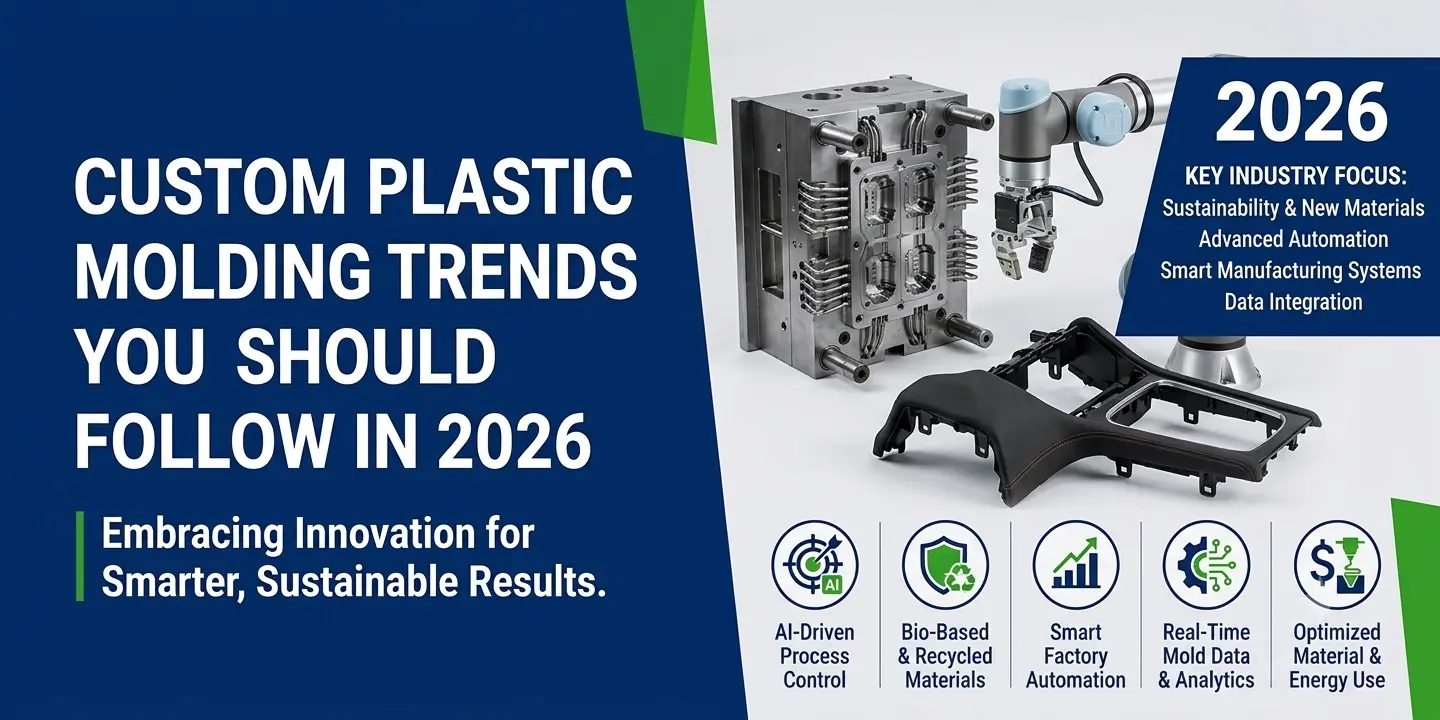
The custom plastic molding shapes every segment of modern manufacturing. They directly affect product quality, production speed and design options.
Staying updated on these shifts helps businesses stay ahead of competitors. The trends cover everything from new materials to full factory tech integration. The custom plastic molding is evolving faster today than at any point in thirty years. Businesses that ignore these shifts will fall behind over the next two years.
It fuses two or more materials inside one single mold cycle. It creates hard soft combinations for grips, seals, and housings. The process eliminates all secondary assembly steps. The modern custom injection molding lines are also there for this process.
It delivers far better product performance and long term durability. Both co-injection and overmolding techniques continue to evolve rapidly. Automotive and consumer electronics remain the largest drivers of demand.
Most manufacturers now offer this capability as a standard service. Demand for this process grows every single year. Most established custom plastic molding can work on new part designs.
Micro-Molding
This process produces finished parts that weigh less than one gram. It reliably achieves dimensional tolerances under 0.001 inches on every run.
The common applications include medical implants, hearing aids and micro gears. It requires highly specialised production equipment and dedicated clean rooms.
Demand grows fastest within the healthcare and electronics industries. Extremely high precision tooling remains the single most critical success factor. The experienced custom plastic injection molding providers require years of practice to deliver consistent results.
The barriers to entry remain extremely high for new market entrants. Most new medical device designs now rely entirely on this technology. A good custom injection molding company will have dedicated teams.
|
Micro-Molding Precision Specifications |
||||
|
Component Type |
Typical Weight |
Tolerance Range |
Wall Thickness |
Lead Time |
|
Micro gears |
0.02-0.5g |
±0.0005 inches |
0.1-0.3mm |
6-8 weeks |
|
Medical micro-parts |
0.05-0.8g |
±0.001 inches |
0.15-0.4mm |
8-10 weeks |
|
Fiber optic connectors |
0.1-1.0g |
±0.0008 inches |
0.2-0.5mm |
5-7 weeks |
|
Electronic contacts |
0.01-0.3g |
±0.0003 inches |
0.08-0.25mm |
7-9 weeks |
|
Hearing aid components |
0.03-0.6g |
±0.0007 inches |
0.12-0.35mm |
6-8 weeks |
The IoT sensors track real time production data across every machine. Predictive maintenance reduces unplanned downtime. Fully automated quality control systems inspect every single part.
Digital twins accurately simulate full mold performance before any steel is cut. Cloud based monitoring allows full oversight from any location on Earth. Artificial intelligence optimises cycle times and reduces detectable part defects.
It is now a baseline requirement for any manufacturer serving regulated industries. The modern custom plastic molds are now designed from the start to support this monitoring. Facilities that do not adopt this technology will lose most major contracts over the next three years. The high volume custom plastic molding now relies on this technology as standard.
3D Printed Molds
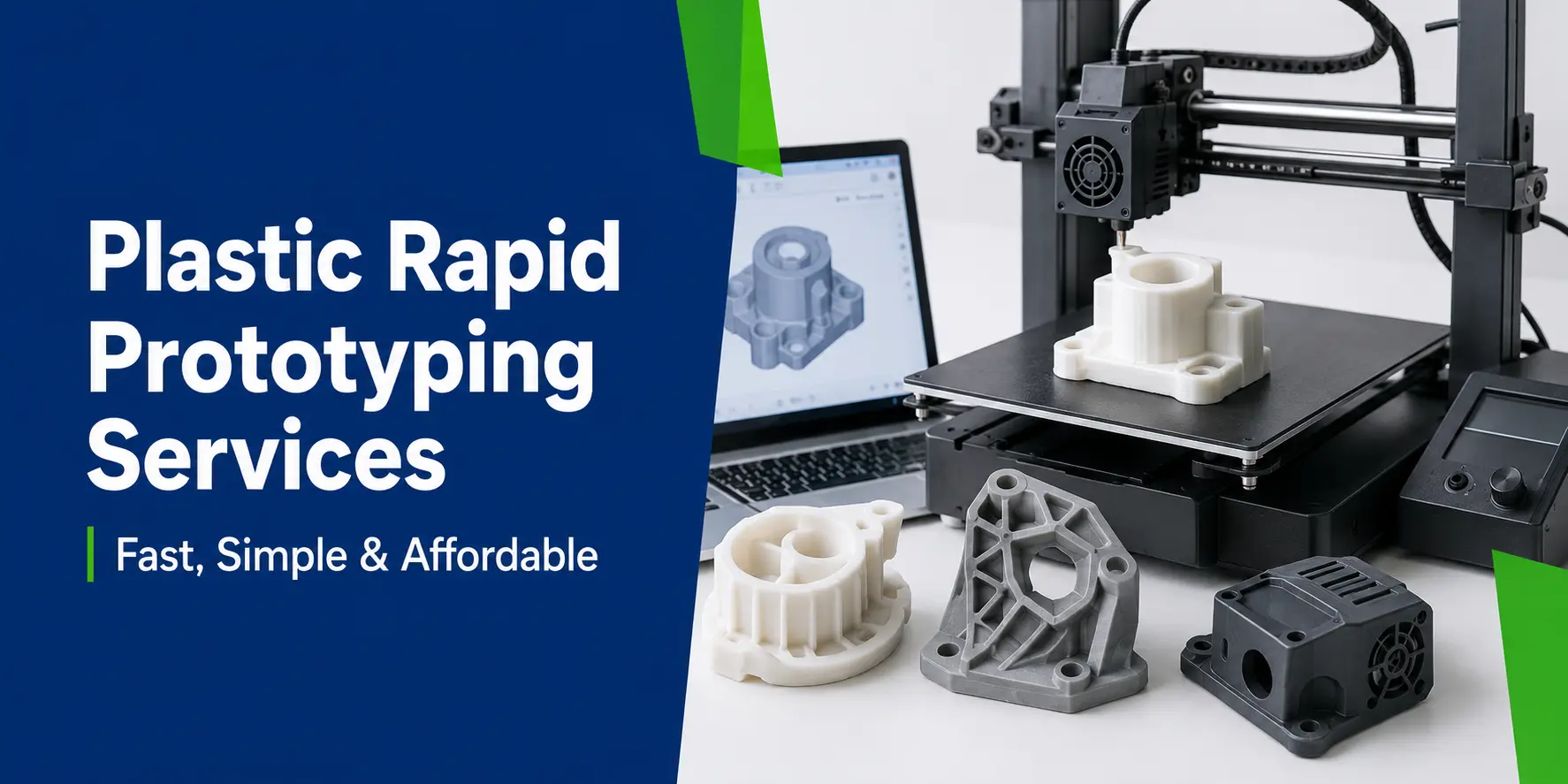
The rapid prototyping with this technology cuts lead times. Both metal and resin printed molds deliver acceptable performance for most uses. This approach works best for low-volume custom plastic injection molds and early design testing.
It provides extremely effective bridge tooling between prototype and full production. Design iterations become much faster and far cheaper than traditional methods. It is not yet suitable for very high volume manufacturing runs.
Most new part designs now go through at least one printed mold iteration. Most custom injection molding providers now maintain dedicated print departments. It has reduced the cost of bringing a new product to market. Capabilities continue to improve at a very rapid pace every single year.
Foam injection molding creates uniform hollow structures inside finished parts. Gas assisted molding reduces total material use. The thin walls combined with targeted reinforcement deliver equal strength.
Most new automotive fuel efficiency requirements drive most of this demand. Additional major applications exist in aerospace and consumer packaging. Advanced simulation software prevents weak points from forming inside parts.
Pressure for weight reduction comes from almost every major end use industry. A competent custom injection molding company will prioritise this approach on all new designs.
Most new part specifications now include mandatory weight reduction targets. This technology has removed almost all of the old tradeoffs between weight and strength. Modern custom plastic injection part design now centres on these techniques.
Conclusion
Three core themes define all the major trends emerging right now. Sustainability, precision and smart technology lead all ongoing changes. Early adoption of these changes provides clear and lasting market advantages.
Ongoing material innovation opens entirely new classes of applications. Digital integration improves both production efficiency and final part quality.
Many providers will not make the required investments over the next three years. Small differences in capability will create very large differences in outcomes. Businesses that align with capable partners early will capture the largest benefits.
Big useful shifts are happening in custom plastic molding right now. Faster lead times, much better material options and far more consistent quality are now standard from good suppliers. To talk about how these trends can help your business, call (647) 294-5240 or email info@plasticinjection-molds.com.