Material
High Durability
Sterile Sealing
Reliable Performance
Temperature Resistant
Biocompatible Materials
Comprehensive Guide to Common Plastic Materials Used in Injection Molding
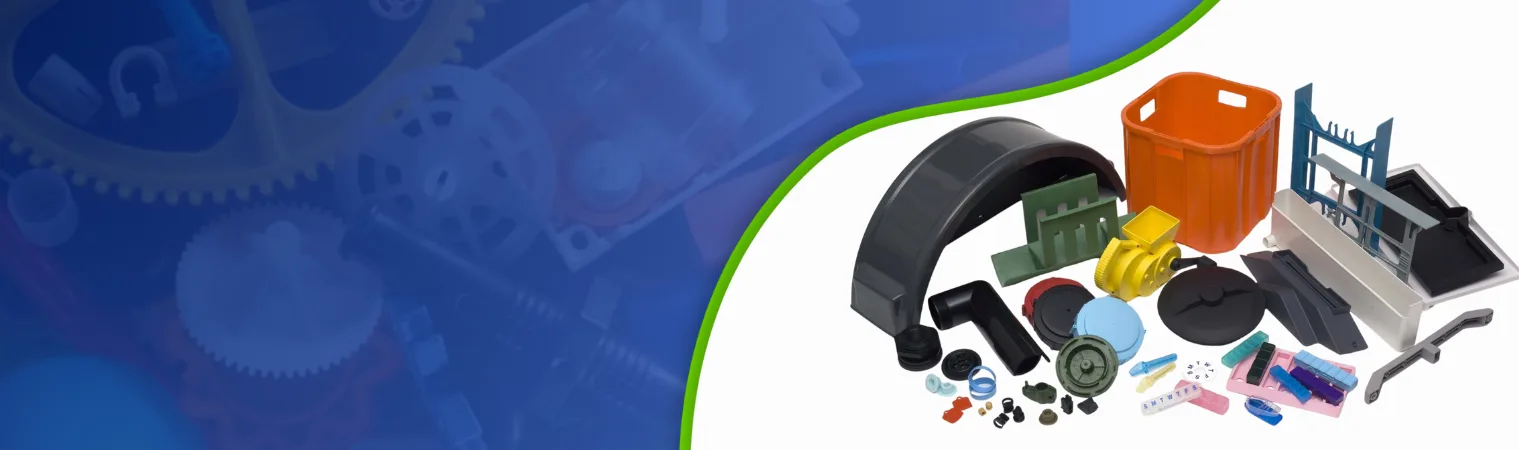
Plastic injection molding relies heavily on the selection of materials. Different thermoplastics exhibit distinct properties that can significantly impact a molded part in various ways. Rigid structural parts, flexible sealing parts, and other types of parts all require a different understanding of material properties.
Understanding these materials helps manufacturers, designers, and engineers choose the right resin for optimal product performance and long-term reliability.
Key Plastic Materials Used in Injection Molding
HDPE Molding (High-Density Polyethylene)
HDPE molding is preferred because of its high strength-to-density ratio and good chemical resistance. HDPE molded parts are also resistant to moisture absorption and are suitable for outdoor applications. HDPE molded parts are also light in weight and have a long life, even when subjected to repeated stresses. HDPE molded parts are used to make bottles, crates, pipes, and fuel tanks.
Polypropylene (PP)
Polypropylene is a highly versatile thermoplastic material used in injection molding. It is famous for its fatigue resistance, which makes it suitable for living hinges and snap-fit components. Polypropylene is also resistant to chemicals and has low water absorption. Its lightness and recyclability make it a preferred material for packaging, medical, consumer, and automotive applications.
Acrylonitrile Butadiene Styrene (ABS)
ABS molding is known for its impact resistance, rigidity, and smooth surface finish. ABS molding has high impact resistance and dimensional stability. It is used in applications that demand both durability and appearance. ABS molding is widely used in making electronic enclosures, appliance housings, automotive interior parts, and consumer goods like toys and suitcases.
Polystyrene (PS)
Polystyrene is a stiff, light, and relatively inexpensive plastic with high clarity and processability. Although it has lower impact strength than engineering plastics, it is suitable for disposable and short-life articles. PS is commonly used in food packaging, laboratory equipment, cosmetic packaging, and insulation.
Polyoxymethylene (POM)
Often referred to as acetal, POM is a type of engineering plastic highly valued for its impressive rigidity, naturally smooth surface due to its low friction, and excellent ability to maintain its shape and size consistently. It is particularly effective for precision applications where exact dimensions are crucial. POM is frequently used to make gears, bearings, bushings, fasteners, and various other mechanical components that undergo repetitive motion.
Polyethylene (PE)
Polyethylene is a material valued for its inherent flexibility, strong chemical resistance, and excellent moisture barrier qualities. Beyond these attributes, it is easy to process and provides effective electrical insulation. Consequently, PE is used for making containers, wire coatings, and numerous household items.
Nylon (PA)
Nylon, when processed through injection molding, is recognized for its impressive physical strength, resistance to wear and tear, and excellent thermal stability. It performs exceptionally well in challenging environments and can be further enhanced by incorporating glass fibers. Nylon is a common choice for automotive parts, electrical components, and various industrial equipment parts that demand enduring reliability.
Polymethyl Methacrylate (PMMA)
Acrylic, also known as PMMA, is highly valued for its exceptional clarity and strong resistance to ultraviolet light. It is a lightweight substitute for glass with good weatherability. PMMA is often chosen for lenses, light covers, signage, and display panels where optical clarity and transparent appearance are important.
Low-Density Polyethylene (LDPE)
Low-Density Polyethylene is more flexible and softer than HDPE and has good resistance to impact while also being clear. This plastic is easy to handle during manufacturing and provides good protection against moisture. LDPE is used to make squeeze bottles, tubing, plastic pouches, various types of lids, and other flexible containers.
Polycarbonate (PC)
Polycarbonate is highly recognized for its high strength, heat resistance, and great transparency. It retains its shape even when subjected to stress and performs well in tough environments. Polycarbonate is widely used for protective equipment, medical devices, auto parts, electrical enclosures, and optical lenses.
Thermoplastic Elastomer (TPE)
TPE combines the best qualities of rubber and thermoplastics. It has a soft touch, high elasticity, and the advantage of being recyclable. This material is ideal for seals, handles, medical tubing, wearable parts, and overmolded components where comfort and flexibility are required.
Thermoplastic Rubber (TPR)
TPR has rubber-like qualities with greater durability and ease of molding. It provides good resistance to abrasion, maintains flexibility, and performs well under different weather conditions. TPR is used in gaskets, shoe soles, handles, seals, and everyday consumer products requiring comfort and flexibility.
Overview of Common Injection Molding Materials
The following table provides a summary of the key characteristics, advantages, and uses of common thermoplastics. Such a comparison helps in easily determining the most suitable material based on the requirements and usage.
| Material | Key Properties | Common Applications |
|---|---|---|
| HDPE | High strength-to-density, chemical resistant | Containers, pipes, automotive parts |
| PP | Lightweight, fatigue-resistant, chemically stable | Packaging, hinges, and medical components |
| ABS | Tough, impact-resistant, good surface finish | Consumer goods, housing, enclosures |
| PS | Rigid, transparent, cost-effective | Disposable packaging, labware |
| POM | High stiffness, low friction | Gears, bearings, precision parts |
| PE | Flexible, moisture-resistant | Films, bottles, insulation |
| Nylon (PA) | High strength, wear-resistant | Automotive, industrial components |
| PMMA | Optical clarity, UV resistant | Light covers, lenses, displays |
| LDPE | Soft, flexible, impact-resistant | Bags, tubing, squeeze bottles |
| PC | High impact strength, heat-resistant | Safety parts, optical components |
| TPE | Elastic, soft-touch, recyclable | Seals, grips, medical devices |
| TPR | Rubber-like flexibility, durable | Gaskets, footwear, consumer products |
Why We Are Your Trusted Plastic Injection Mold Partner
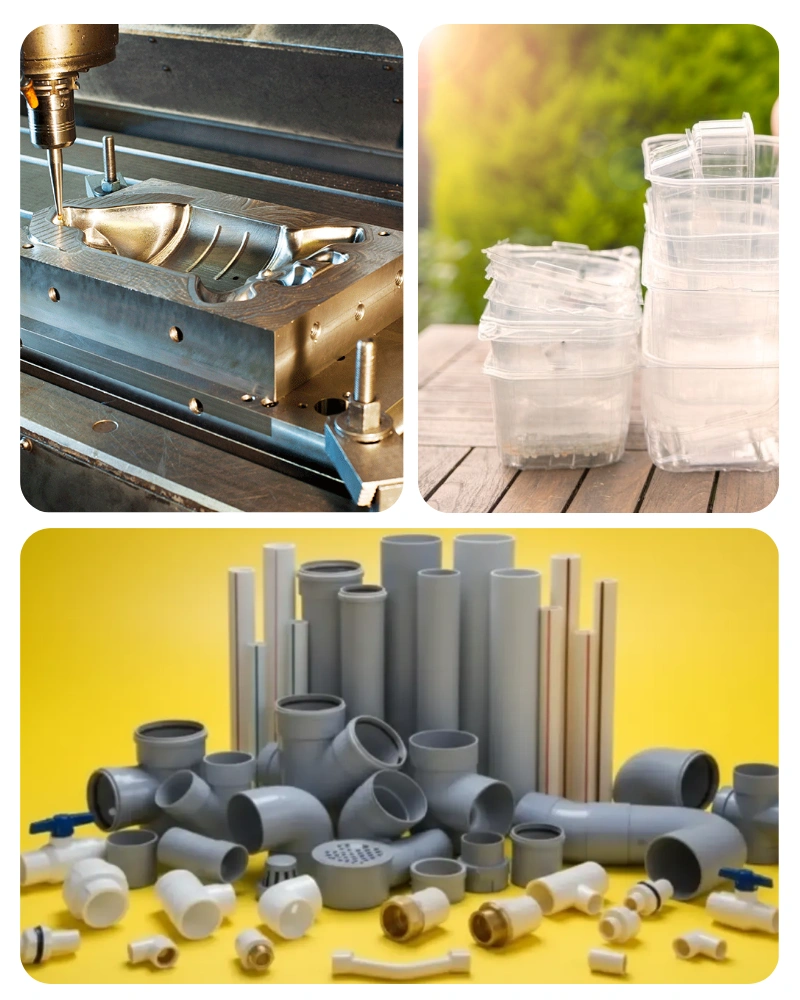
At Plastic Injection Mold, we pride ourselves on providing high-precision plastic injection molds, designed to meet your exact production needs. With our advanced technical knowledge, manufacturing capabilities, and material expertise, we ensure that each mold delivers outstanding performance in terms of consistency and durability. The major advantages of our plastic injection molding services include:
- Premium Mold Materials::We use high-grade tool steel and high-quality mold base materials to give the mold strength, durability, and long life, even during high-volume production.
- Custom Mold Design: Custom Mold Design: We design molds according to your precise specifications, including part geometry, tolerances, material selection, and production volume requirements, to ensure flawless part production.
- Advanced Manufacturing Technology:Our state-of-the-art CNC machining, EDM, and precision finishing equipments deliver precise tolerances and superior surface finishes, and mold precision.
- Strict Quality Assurance: Each mold is carefully inspected, measured, and tested to ensure it meets performance, durability, and international quality standards.
- High Production Efficiency: Our molds are designed for smooth production, shorter cycle times, and easy maintenance, helping you achieve cost-effective and uninterrupted production.
Custom Solutions for Every Industry
Selecting the right thermoplastic is a critical step in ensuring the success of an injection molding process. Though commodity plastics like PE and PP, or engineering plastics like POM, Nylon, and PC, each have their own strengths and weaknesses based on factors such as the level of mechanical strength, resistance to environmental factors, and price, awareness about these plastics and their uses can help manufacturers enhance the excellence of their products and minimize failures.