Ontime and Stressfree Development withMoney Back Guarantee...
Ontime and Stressfree Development withMoney Back Guarantee...
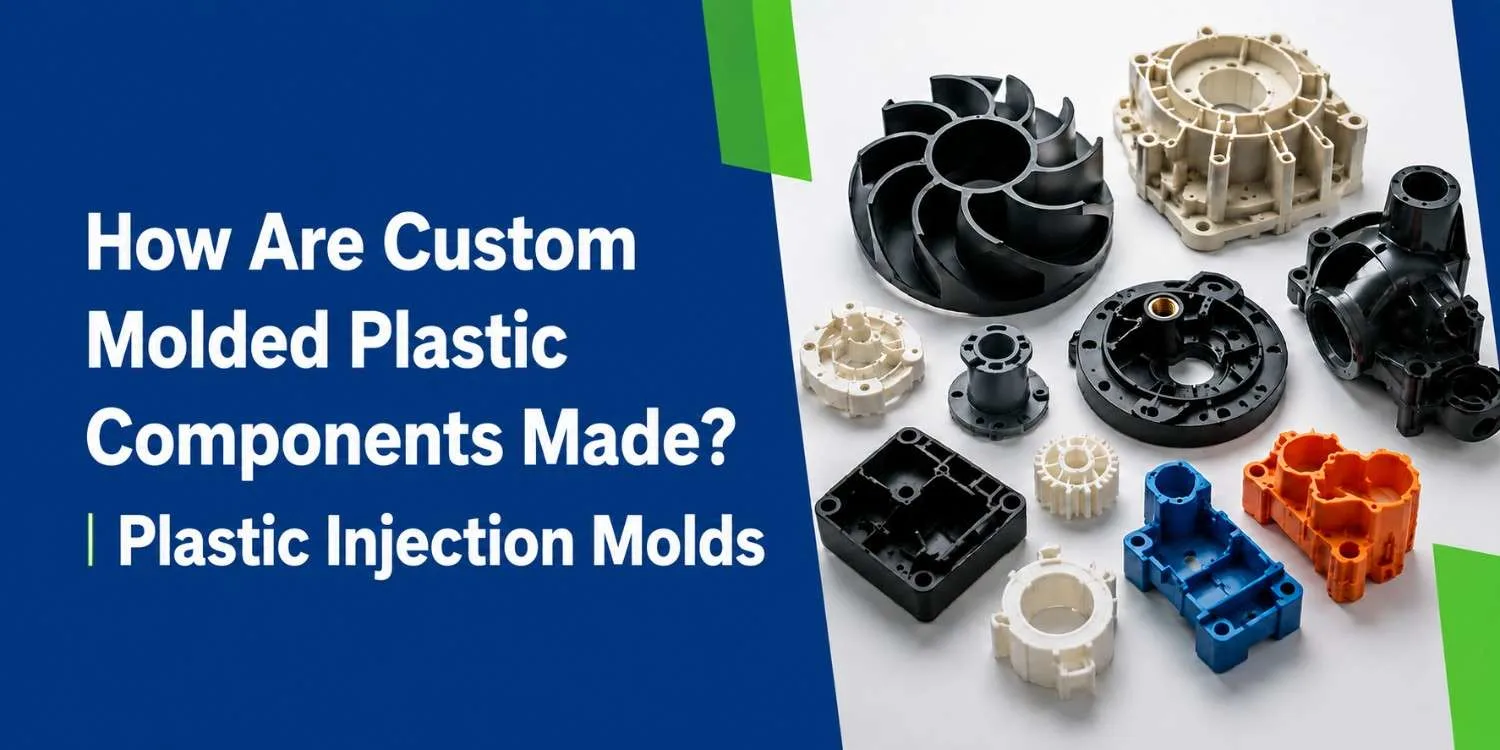
Custom molded plastic parts form the backbone of modern manufacturing. These parts appear in almost every product made today. The complex process transforms raw plastic into precise components. The high quality custom molded plastic components balance cost, strength and precision.
The custom molded plastic components can be made to almost any specification. Plastic Injection Molds specializes in high quality custom molding solutions. We serve industries from automotive to medical devices.
Most production tools start from a solid block of alloy. CNC machining cuts steel or aluminium blocks to rough shape. This bridge tooling process removes excess material at very high speed. Most primary features are complete after this stage.
The EDM process creates complex internal features that CNC cannot reach. This method uses electrical discharge to erode hard metal. The surface finishing ensures smooth part texture on all cavity surfaces.
Different finish grades are selected to match the end requirement. Cooling channels are machined into a mold body directly behind the cavity surface. Uniform cooling is the single largest driver of part quality. Ejector pins positioned for part removal without leaving visible marks. Gate location optimised for material flow and minimum weld lines.
Additional considerations for a completed mold tool:
The rapid tooling follows this same process but uses aluminium. Most manufacturers will test fit the entire tool before production.
The injection molding prototypes are often run on the same equipment. This ensures prototype performance matches final production parts.
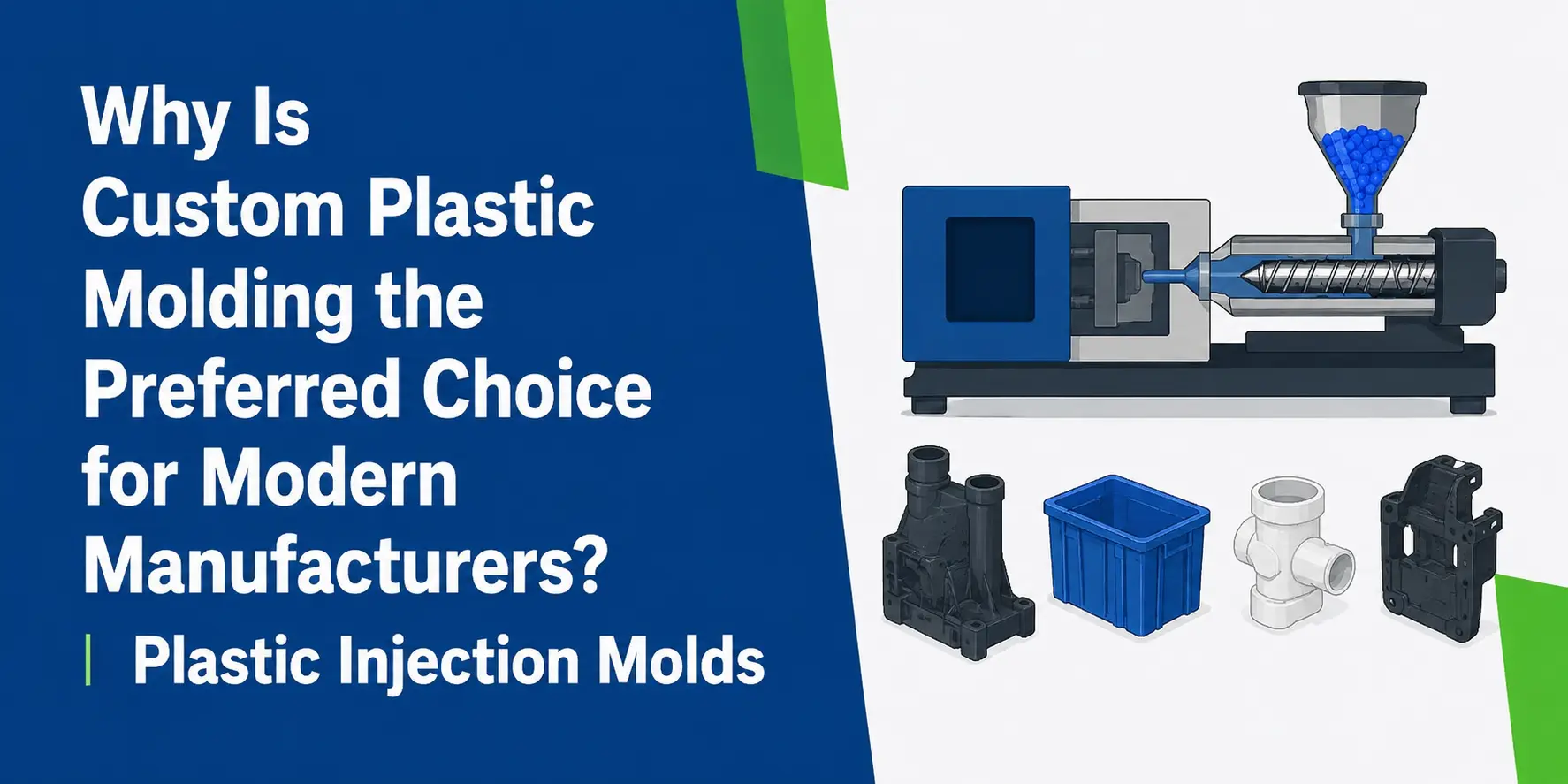
Step 1: Plastic pellets are fed into a temperature controlled heated barrel.
Step 2: Screw mechanism melts and mixes material to a consistent state.
Step 3: The screw moves forward to act as a ram during injection.
Step 4: Molten plastic is injected under high pressure into the closed cavity.
Step 5: Pressure is held while the material begins to cool inside.
Step 6: Material fills mold cavity completely, and all voids are removed.
Step 7: Cooling phase solidifies the plastic to the required dimension.
Step 8: The mold clamps open and the moving half retracts.
Step 9: Ejector pins activate and the part gets ejected from the tool.
Step 10: The mold closes, and the entire cycle repeats immediately.
The custom molded plastic components can be manufactured at rates from 10 to 3000 per hour. Cycle time is determined by part wall thickness.
|
Mold Types and Manufacturing Applications |
||
|
Mold Type |
Part Volume |
Complexity Level |
|
Single Cavity |
Low |
Simple |
|
Multi-Cavity |
High |
Medium |
|
Family Mold |
Medium |
High |
|
Hot Runner |
High |
Complex |
|
Cold Runner |
Medium |
Simple |
|
Insert Mold |
Low |
Very High |
Every run starts with a defined set of verification steps.
Dimensional inspection
This process uses precision tools to measure all critical features. Measurements are compared directly against the original part drawing. Any deviation outside tolerance results in an immediate process adjustment.
Visual examination
The trained technicians check every run for surface defects. The common faults include sink marks, flash, weld lines and discolouration.
Functional testing
This step confirms correct operation of moving components. Parts are assembled and tested exactly as they will be used.
Material property verification
Samples are taken from each run to confirm material specification. This check ensures no incorrect or contaminated material is used. This step is mandatory for all regulated industry parts. Only 3D printing prototyping will often skip this step.
Statistical process control
This system monitors consistency across the entire production run. It identifies small process drift before it creates out of tolerance parts. All data is stored for full traceability of every batch.
First article inspection
This full validation confirms the entire setup is correct. The first six parts produced are fully inspected and documented. No full production starts before the first article is formally approved. The rapid prototyping for plastic parts includes most of these same quality checks.
The base process remains the same, but requirements change. The custom molded plastic components can be adapted to meet any industry standard.
Medical
Medical parts need biocompatible materials and full batch traceability. No additional coatings or treatments are permitted on most components. All tools and processes are subject to regular third party audit.
Automotive
Automotive components require high strength and consistent material performance. Most parts must withstand extreme temperature ranges over long service life. Dimensional consistency is prioritised over cosmetic surface finish.
Electronics
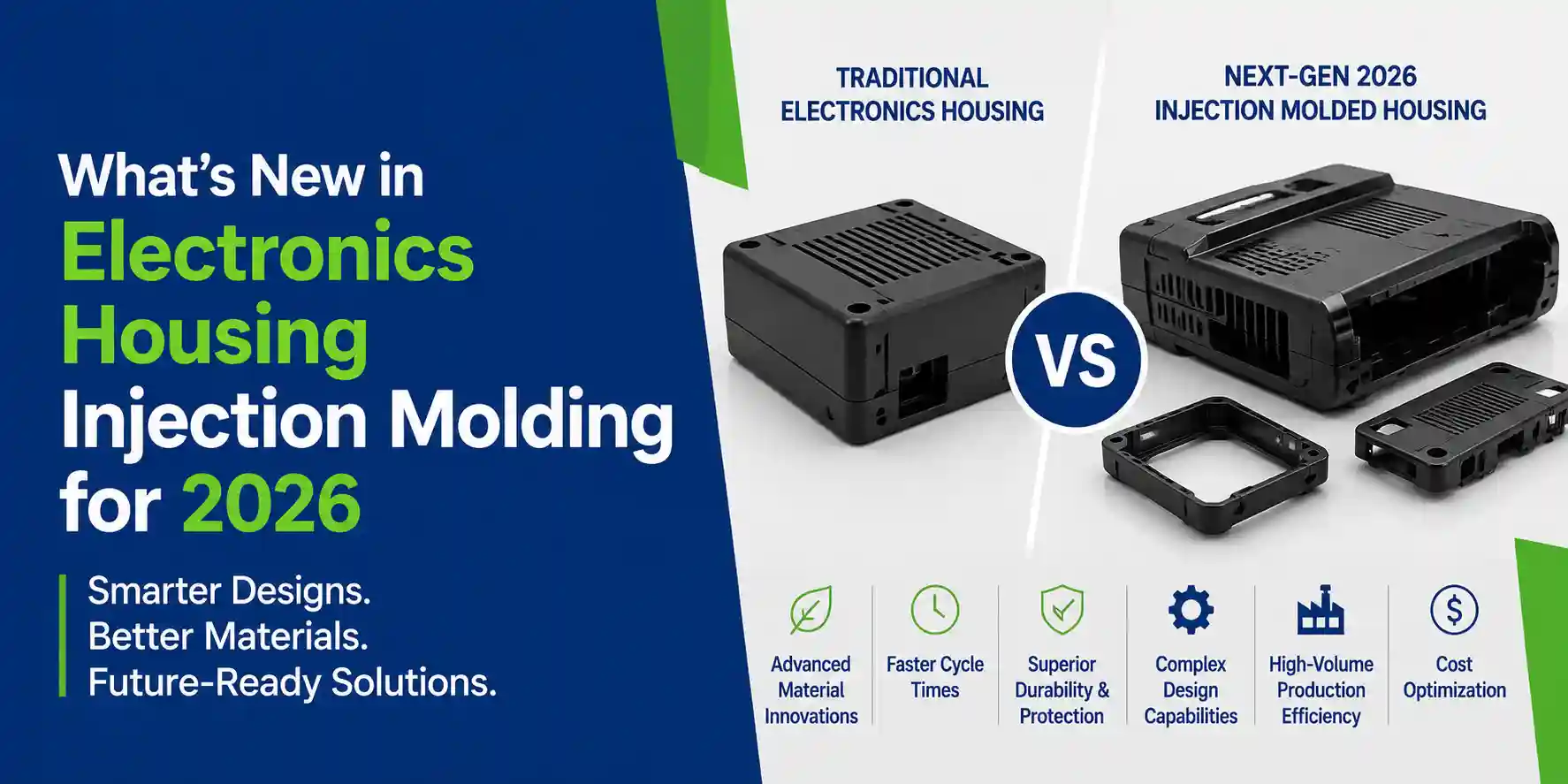
Electronic housing demands precise fits and very tight tolerance control. Most parts also require specific electrical and flame retardant properties. Any minor dimensional deviation will prevent correct final assembly because of bridge tooling.
Consumer goods
Consumer goods focus on appearance and consistent surface finish. Colour matching across large production runs is the primary requirement. Low unit cost is usually the most important factor for this sector.
Industrial
Industrial parts emphasize durability and consistent long term performance. Most parts are designed to operate continuously for many years. Cosmetic finish is never a requirement for these components.
Food packaging
Food packaging needs FDA approval for all materials and release agents. All production runs receive additional material verification testing. The 3D printing vs injection molding is most often debated within these industry requirements.
We approach every custom project as a separate, unique requirement. Our engineering team reviews client specifications in full detail before any work starts. We identify potential design issues and propose adjustments early in the process. The injection molding prototypes are produced to validate all design assumptions before tooling.
The 3D printing prototyping is used for early form and fit testing where appropriate. We develop prototype tooling to confirm process and part performance. Production planning optimises cycle times and overall production efficiency. Our advanced machinery ensures tight tolerances are held across every run. We operate fully documented quality systems that meet all common industry standards.
We provide dedicated technical support throughout the entire project lifecycle. The rapid tooling is offered for projects that require very fast first parts. We adjust our entire process to match the volume, timeline and requirements of each project.
1. What actually happens inside the mold during injection molding?
Melted plastic gets pushed into a closed metal cavity under high pressure, held there while it cools, then popped out by ejector pins once it's solid — the whole cycle repeats right away for the next part.
2. Why does mold cooling matter so much?
Cooling channels run right behind the mold's surface, and how evenly a part cools has a huge impact on its final quality — uneven cooling is one of the biggest causes of warped or inconsistent parts.
3. How many parts can one mold make per hour?
Anywhere from 10 to 3,000 parts an hour. The biggest factor is wall thickness — thinner walls cool faster, so cycles run quicker.
4. What's checked before a part is approved for mass production?
The first few parts off the line go through a full inspection called "first article inspection." Nothing moves to full production until that batch is checked and signed off.
5. Does every industry use the same molding process?
The core process stays the same, but the priorities shift — medical parts need biocompatible materials and traceability, automotive needs heat resistance, and consumer goods focus more on finish and color matching.
Conclusion
Custom molded plastic manufacturing combines equal parts art and science. Plastic Injection Molds delivers reliable solutions across every major industry. The rigorous quality control ensures consistent results across entire production runs. The manufacturers continue to refine every stage of the process year on year. The ongoing technology advances continue improving every part of the process.
Custom molded plastic components start with your design. First we review the design to make sure it will mold well and work reliably, then we build the custom metal mold. Molten plastic is injected under pressure into the mold, cooled until solid, and then removed. You can reach out to us at (647) 294-5240 or info@plasticinjection-molds.com for a custom no obligation quote.