Ontime and Stressfree Development withMoney Back Guarantee...
Ontime and Stressfree Development withMoney Back Guarantee...
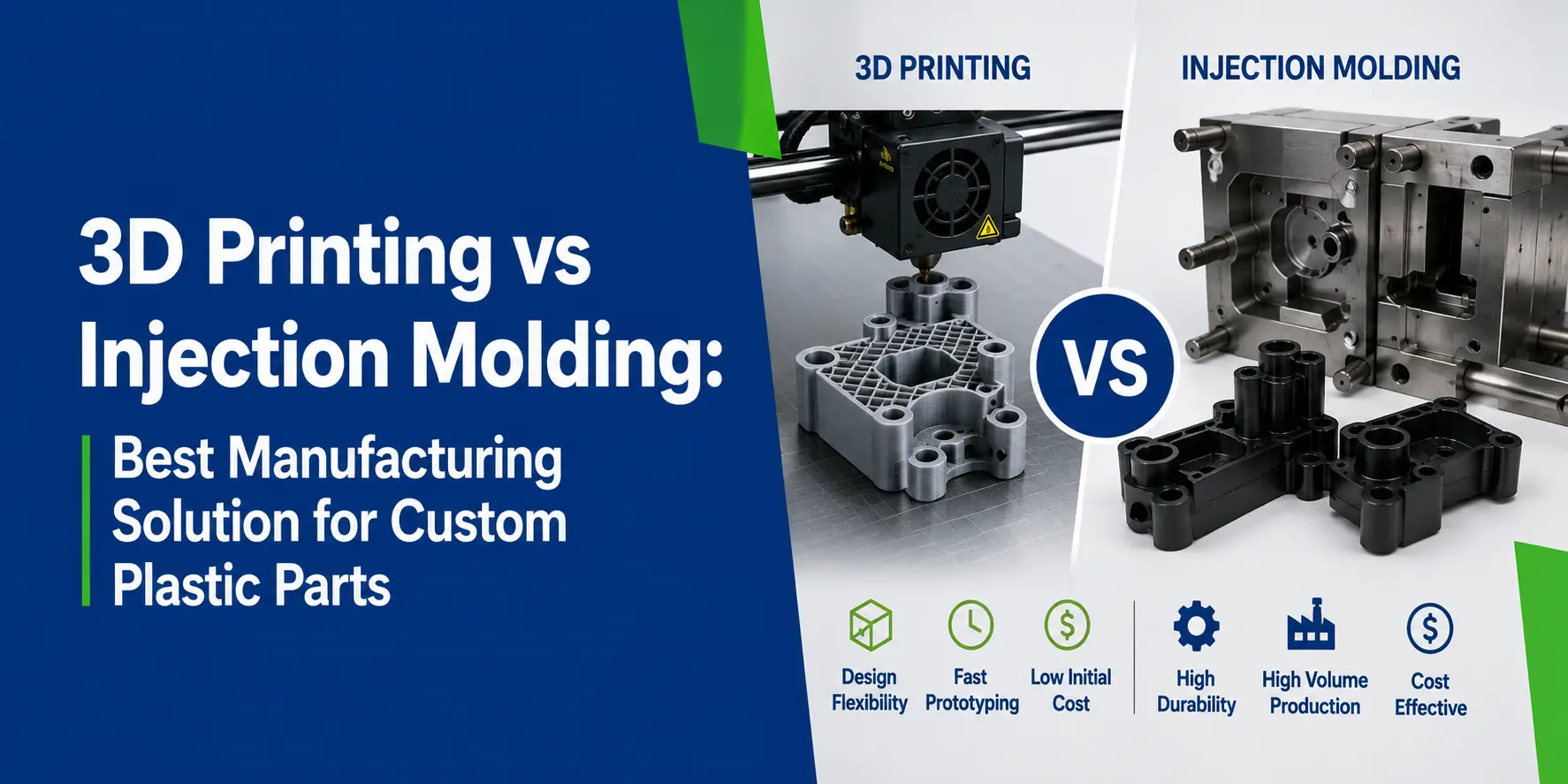
Picking the right way to make custom plastic parts can feel like a maze. Specifications, wait times, budget — it's a lot. Engineers and designers often debate 3D printing versus traditional machining. One side likes the freedom of filament and resin. The other side swears by steel molds and high pressure.
Comparison of 3D printing vs injection molding isn't just technical. It changes how fast you reach the market and what each part costs. 3D printing does really well with odd shapes and smaller batches. Injection molding stays ahead for durable parts and larger quantities.
This guide covers the pluses, the costs, and the right fit for each method, with special attention to moving past trial runs into full manufacturing. Understanding plastic rapid prototyping versus full-scale tooling is the first step to saving thousands of dollars.
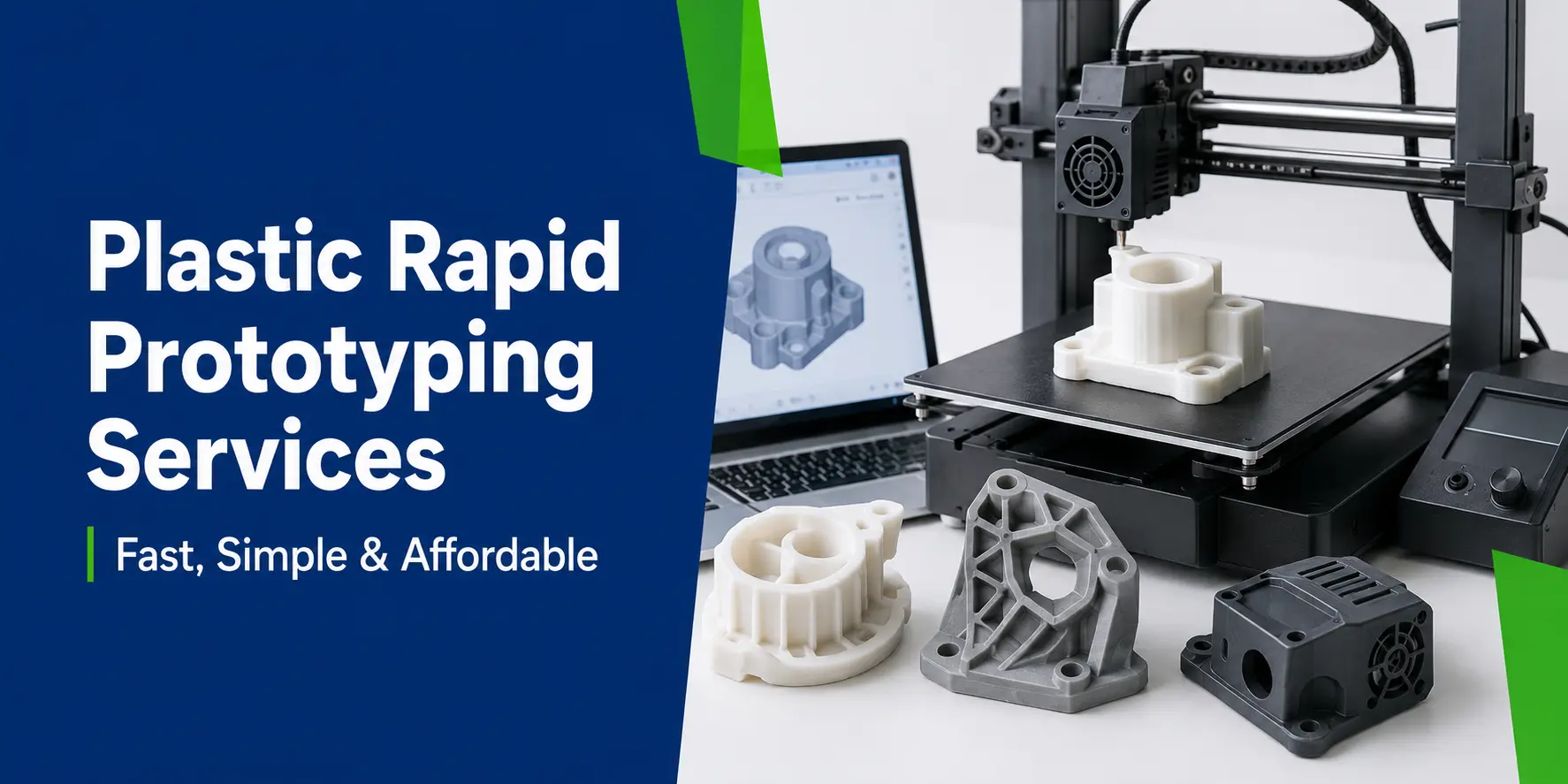
Before comparing outputs, one must understand how each process works at a molecular level. Think of 3D printing as stacking thin layers. That's additive manufacturing in a nutshell. A computer file tells it where to go, and materials like ABS, PLA, or resin come out or harden in order. No molds. No tooling. Very little leftover material. This works great for plastic rapid prototyping — you can print a part just hours after finishing the design.
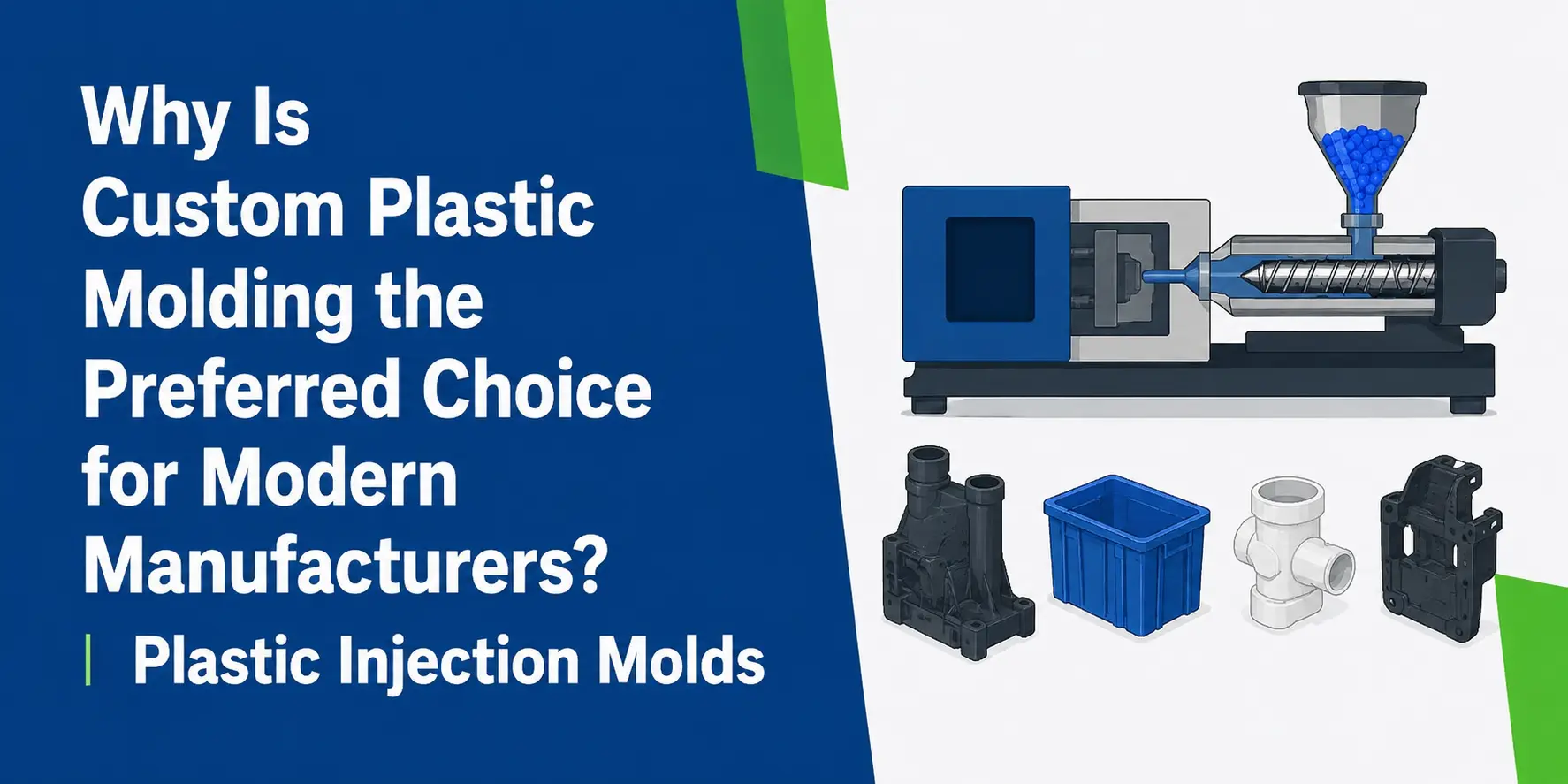
Injection molding works differently. It forces molten plastic into a metal cavity under high pressure. After cooling, out pops the part. The upfront cost for tooling is high, but you get identical parts with a smooth surface and solid mechanical strength.
The single largest barrier to entry for injection molding is the initial financial outlay. This is where prototype injection molding cost becomes a critical variable. A hard steel mold can range from $5,000 to $100,000, depending on cavity count and complexity. Conversely, a 3D printed part costs only the material and machine time—often less than $50 for a small run.
However, the calculation flips when volume increases. If a project requires 100 units, 3D printing wins. If the requirement is 10,000 units, the per-unit price of injection molding drops to pennies. Plastic injection molding services generally advise that if the prototype injection molding cost is amortized over a large batch, it becomes virtually invisible.
Time is the currency of innovation. In the race to market, quick-turn plastic prototypes are the competitive edge for agile teams. A 3D printer can generate a functional prototype overnight. Changes to the CAD file are free and instant. However, “quick” is relative when scaling.
While a 3D printer might take 20 hours to make 10 parts, an injection molding machine can make 10 parts in 10 seconds. For quick-turn plastic prototypes, 3D printing is unmatched for fit-check validation. For production, injection molding is faster once the tool is made.
Fast prototype services fill that space nicely. These days, hybrid methods work like this: a 3D printed pattern makes a soft mold for injection molding. You get the quick turnaround of additive and the solid material quality of molding.
The ultimate goal of any physical product is commercialization. The transition from a single printed model to one million molded units is known as the "valley of death" in manufacturing.
Specialized prototype to production services are designed to guide a product through that transition. Often, a client begins with 50 plastic units made by rapid prototype manufacturing for investor demonstrations. Once funding is secured, the same design is transferred to a mold.
Effective prototype to production services ensure that the CAD geometry is optimized for draft angles and wall thickness—features ignored in 3D printing but mandatory for molding. Plastic Injection Molds incorporates Design for Manufacturability (DFM) analysis early to ensure that a plastic rapid prototyping file does not need to be completely remodeled for the mold.
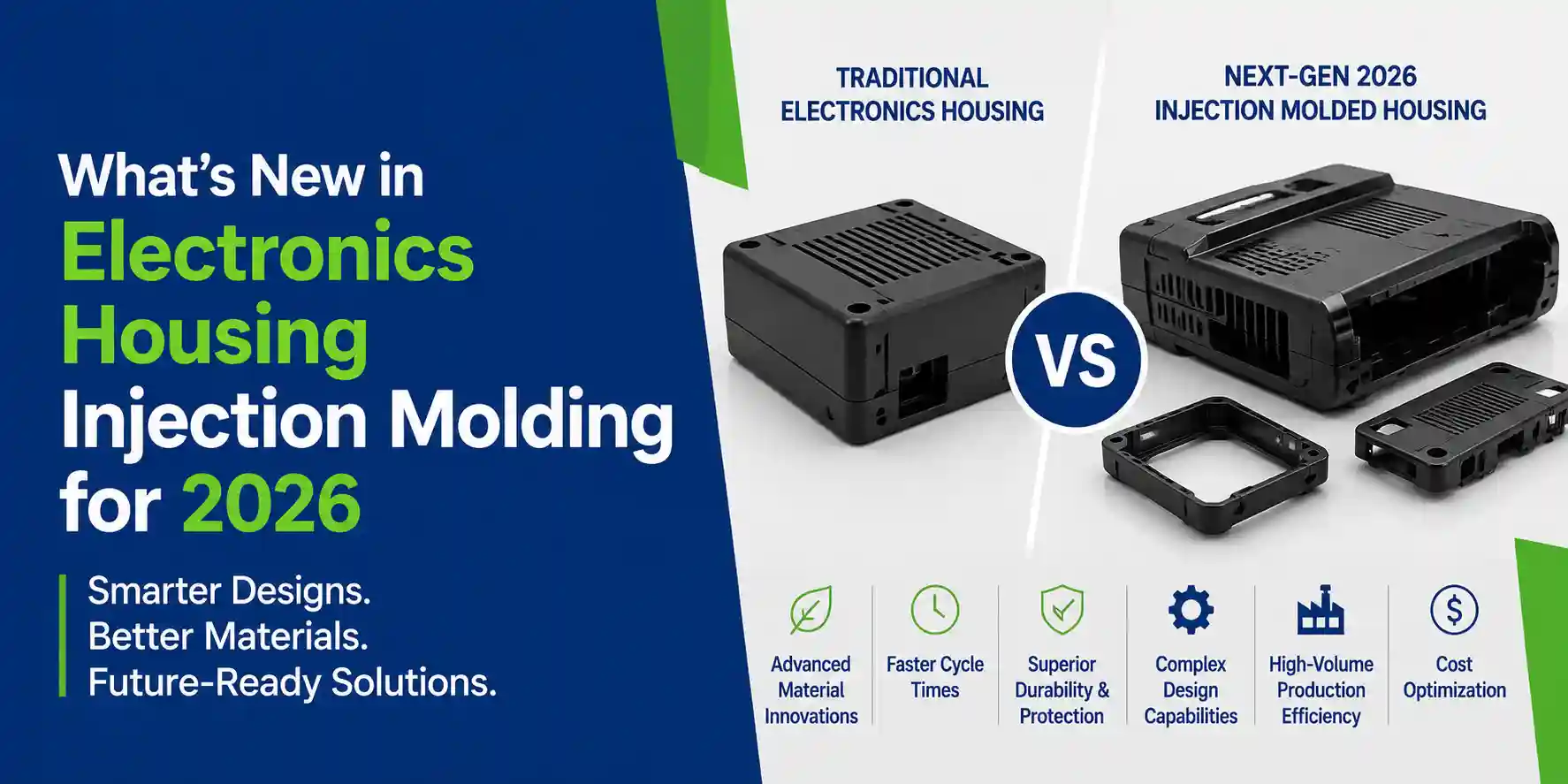
Industrial design relies on texture, parting lines, and gloss. 3D printing often leaves visible layer lines, requiring sanding, vapor smoothing, or priming. Injection molded parts come out of the tool with exact surface textures (VDI 3400 standards) and tolerances of +/- 0.005 inches.
For consumer electronics, injection molding prototypes are often required specifically to test snap-fits and living hinges—features that 3D printing usually breaks due to brittleness.
When evaluating 3D printing vs injection molding, the rule of thumb is that printing is for proof of concept; molding is for proof of durability.
Savvy manufacturers rarely choose one exclusively. A modern workflow uses 3D printing for form and fit, then moves to rapid prototype manufacturing via aluminum molds (bridge tooling) for functional testing. Finally, the project scales to hardened steel molds for mass production.
This hybrid strategy lowers the prototype injection molding cost by delaying hard tooling until the market validates the product. Many plastic prototyping services now provide "print-and-pour" solutions where a 3D printed master is used to cast urethane parts in a silicone mold—a middle ground between the two technologies.
Despite the hype around 3D printing, statistics show that over 90% of mass-manufactured plastic parts are injection molded. The reasons are simple: speed, cost-per-part, and material selection.
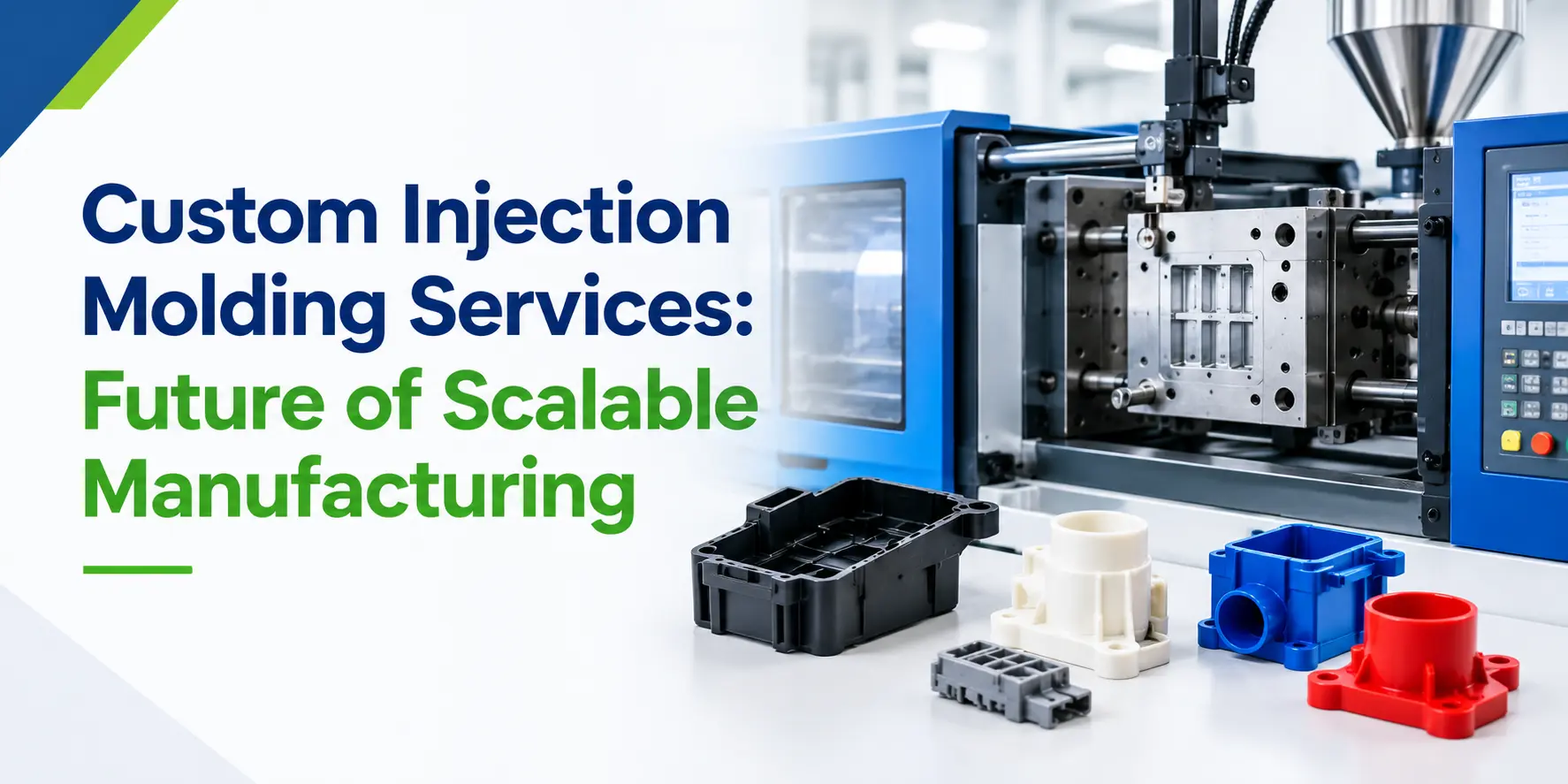
Once a mold is created, the machine runs 24/7 with minimal supervision. Furthermore, injection molding prototypes made from the actual production material can undergo UL flammability ratings and ISO load testing—certifications impossible with standard printing resins.
For medical devices and automotive under-hood components, 3D printing vs injection molding is not even a debate. Molding is the only viable route.
|
Parameter |
3D Printing |
Injection Molding |
|---|---|---|
|
Upfront Cost |
Low (machine + material only). No tooling fees. |
High (mold: 2k–2k–100k+). Worth it for higher volumes. |
|
Cost Per Part |
High and flat. Hours per part. Not good above 500 units. |
Very low after tooling. Seconds per part. Great for mass runs. |
|
Lead Time |
Hours to 2 days. Fast for prototypes and design changes. |
2–8 weeks for tooling. Then very fast. |
|
Material Strength |
Weak along layer lines. Not for heavy-duty parts. |
Even strength. Handles stress and fatigue. |
|
Surface Finish |
Layer lines visible. Needs sanding or smoothing. |
Good to excellent. Texture and gloss come from the mold. |
|
Scalability |
Low (1–500 units). Best for one-off or test parts. |
High (1,000–1,000,000+). Scales from bridge tooling to hard steel. |
To see the differences at a glance, the table below compares six key manufacturing factors. This information helps you decide whether 3D printing or injection molding fits your particular production needs.
Plastic Injection Molds uses this exact framework when advising clients on prototype to production services.
There is no universal "best" process, only the best process for the current phase of development. For large runs, stable dimensions, and parts that get used hard, injection molding still leads the pack. Switching between methods means you need a partner who provides both plastic prototyping services and hard tooling.
Companies like Plastic Injection Molds close the gap between a digital file and a real, sellable part. Looking at prototype molding costs against the product's whole life helps you avoid overpaying for samples or skimping on tooling. Whether you need one fast prototype run or a million molded parts, the idea stays the same: quick prototypes, accurate molding, nonstop production. Stop guessing whether 3D printing vs injection molding fits your budget. Let the experts at Plastic Injection Molds convert your plastic rapid prototyping files into high-volume, tooled production parts.
Call (647) 294-5240 Or email to info@plasticinjection-molds.com